
Astrology and interior design: How the Moon and Sun influence home atmosphere
How astrological principles influence the interior and the feeling of home
If you're interested in astrology, you probably know how planetary cycles can significantly influence our emotions, decisions, and the energy with which we enter each season of the year. But what's less talked about is that the same rhythm naturally translates into our homes. In the way we arrange our space, when we feel the need for change, and when we crave peace and stability.
A home is not just a collection of rooms, but a living space that responds to light, the seasons, and our inner transformation. Astrology here serves not as dogma, but as sensitive inspiration for how to create a balance between calm and energy through colors, materials, and atmosphere. This text looks at the interior as a place that breathes with us in the rhythm of the Moon and the Sun.
There is no need to change your entire home. Often, it is enough to perceive what you are missing in a space - more peace, or more energy - and answer this need with one thoughtful detail, material or color tone. It is in these small shifts that an interior is born that feels natural, balanced and timeless.
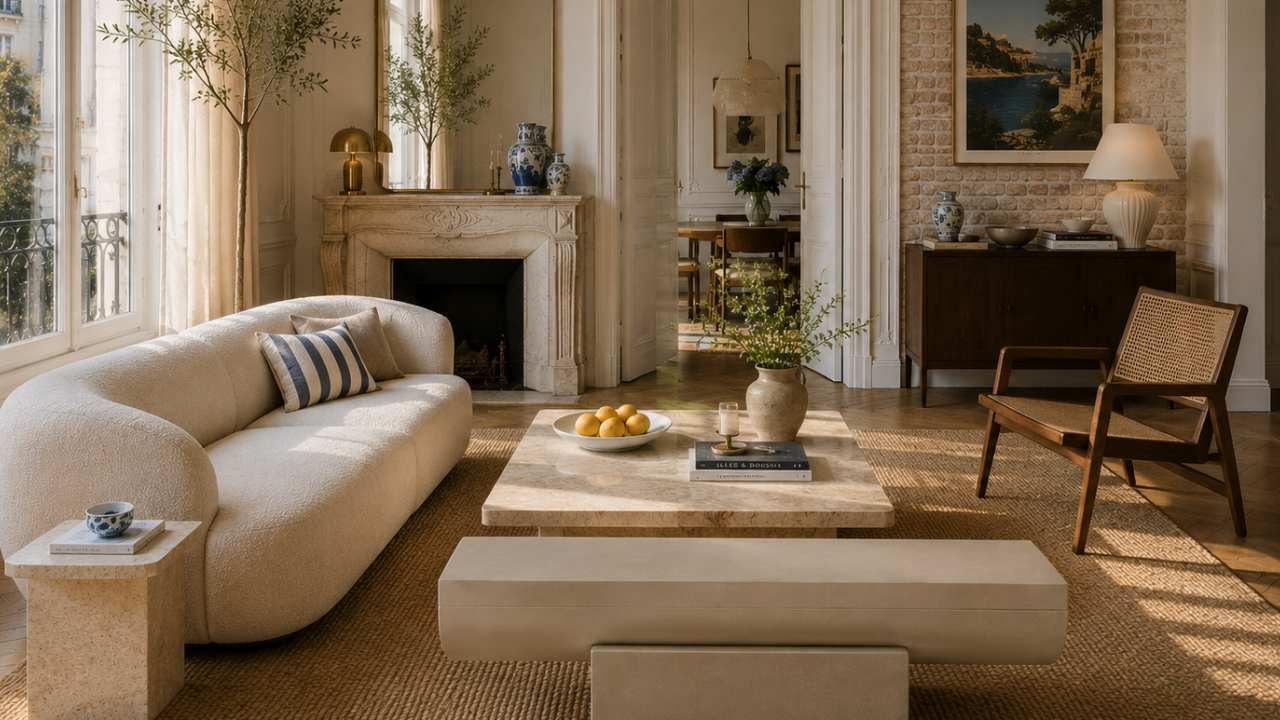
The year 2026 is marked by calm and a return to the basics. It is no coincidence that the color of the year is Cloud Dancer white - soft, light and extremely versatile. It does not seem sterile, but creates space for light, material and seasonal changes. As a base for the interior, it allows you to layer other shades according to the current energy of the year and personal needs.
Moon: muted tones, layering and working with light
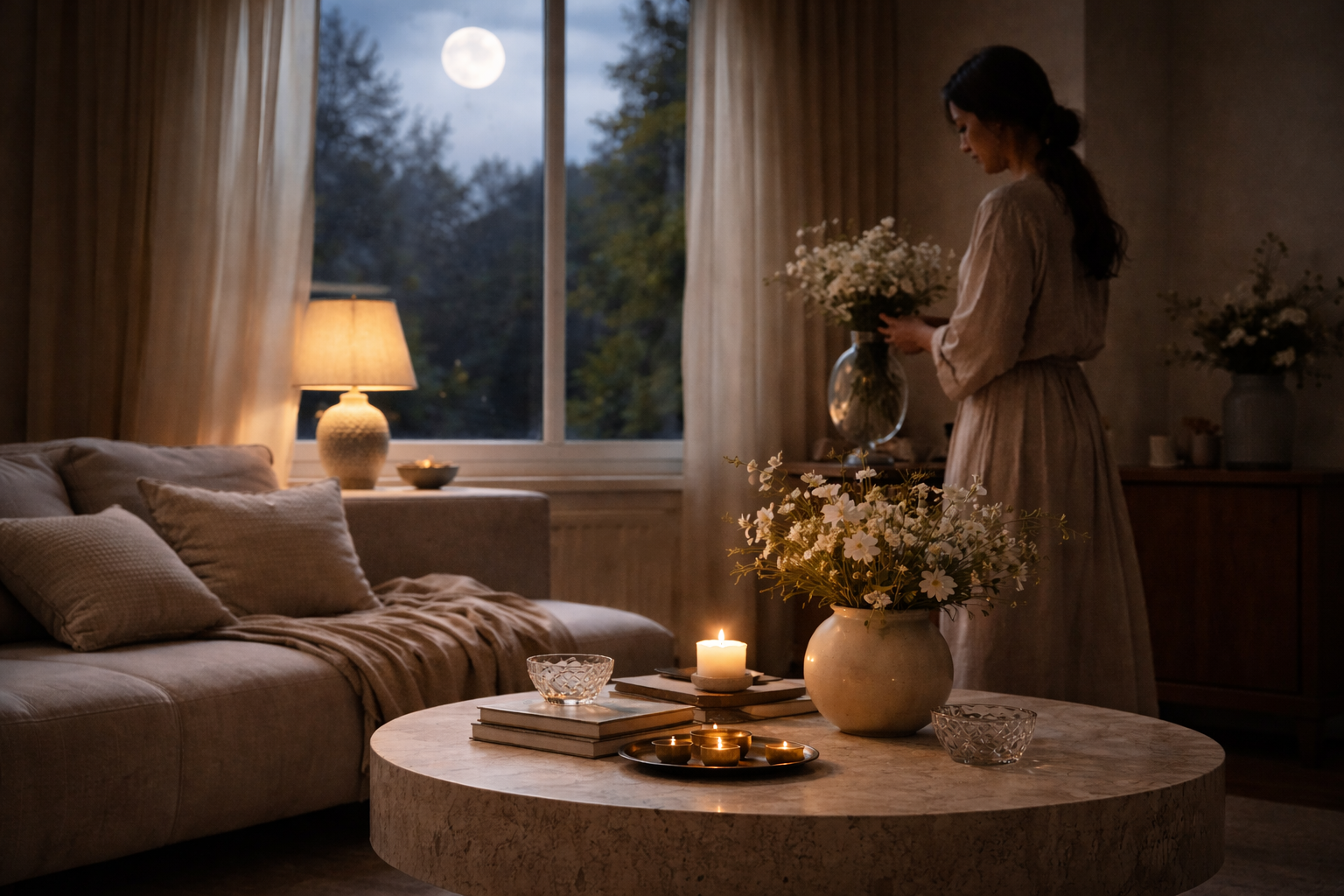
In astrology, the moon is a symbol of emotions, security and the inner world. Its influence is subtle but long-lasting. It does not lead to immediate change, but rather to the need to slow down, withdraw into peace and create an environment that protects us. In the interior, lunar energy is not expressed in a specific color, but in the way the space feels, calming and giving a sense of security.
A sense of security does not come from a single color, but from the relationship between different shades. Darker tones such as smoky gray, deep taupe, chocolate brown or muted olive have the ability to ground a space and visually "hold it together". They have a protective effect, especially in the evening light or in the colder months of the year. Light, patinated shades, on the other hand, bring softness and breath. Milky white, beige, pearl or soft gray mineral tones do not scatter light chaotically, but soften its edges.
Lunar interiors are therefore not about contrasts, but about layering. About a combination of tones that quietly communicate with each other: a light base complemented by darker accents, structured textiles, natural materials and working with shadow. It is in this balance that a feeling of home arises that is not ostentatious, but deeply soothing.
This approach works across the seasons: in winter it provides shelter and stability, in summer it provides lightness and airiness. It is not minimalism in the strict sense of the word, but a thoughtful composition that gives the space depth, silence and permanence.
The full moon is traditionally considered a time of closure and purification. In the interior, this principle can be expressed very practically by getting rid of excess elements, freeing up space or replacing details that no longer resonate with you. Muted colors at these times help to calm the space and create an environment that encourages regeneration.
The Sun: warmth, stability and the life of space
While the Moon works with intimacy and calm in the interior, the Sun represents stability, vitality and a clear center. It is associated with the daily rhythm, physical presence and a sense of continuity. This is why its energy in space is not expressed in lightness, but in solidity - in materials that have weight, structure and natural durability.
The sunny color palette is based on warm, earthy tones. Shades of sand, honey, caramel, light wood or soft terracotta anchor a space and give it life without being overly flashy. They are ideal for the living areas of the home - kitchens, dining rooms and open living areas - where they create an atmosphere that is both welcoming and timeless.
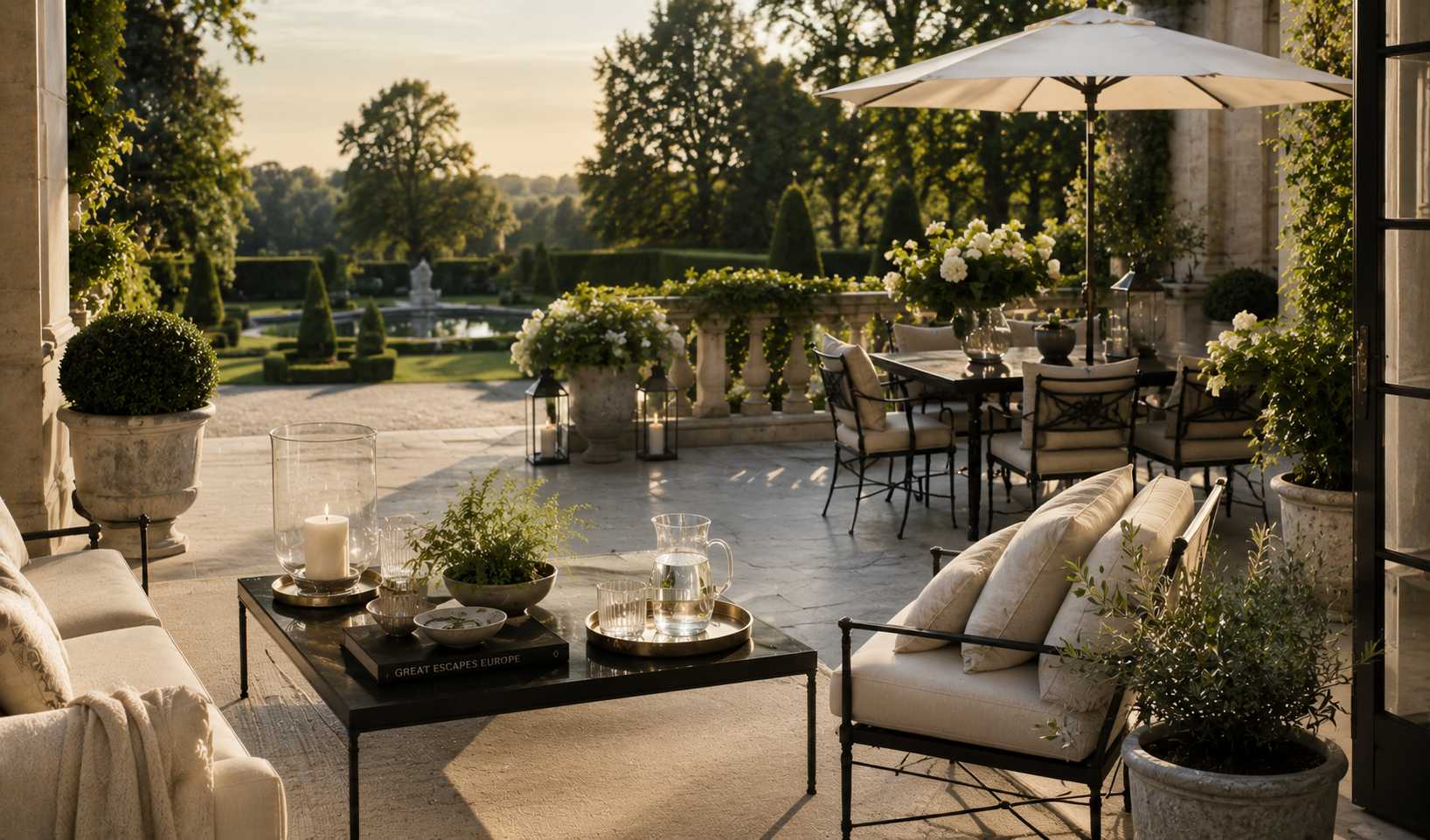
One of the greatest qualities of the solar palette is its longevity. These colors are not subject to trends and work across seasons. They naturally combine with honest materials such as solid wood, stone, leather or natural textiles. Warm woods, oak, walnut or teak, play a key role here, as do metals with patina, bronze or brass, which do not resist light, but quietly absorb it.
The sunny interior is built on pieces that age gracefully. Solid furniture, quality upholstery, ceramics and hand-crafted details create an environment that feels naturally strong, not ostentatious, but confident. Light in such a space is not harshly reflected, but returns in warm shades throughout the day.
The sun gives energy and rhythm to the interior without accelerating it. It brings a sense of stability and life. A home that doesn't age with trends, but with the people who live in it.
Home as a living space in the rhythm of light and time
An astrological perspective on interior design is not about strict calendar planning, but about sensitive perception of rhythm. A new moon can inspire new beginnings, a full moon to complete and release, a retrograde period to slow down and reevaluate. Colors, materials and working with light are tools to bring this rhythm into a space naturally, without pressure and with ease.
Home then becomes not a static place, but a space that breathes with you, reacting to light, seasons and changes in your inner mood. It is in this ability to listen to time, place and your own feelings that an interior is created that is not only aesthetic, but deeply personal and functional in the long term.
